
2026/10/30 | Colorado
Listening to the wind at the old Howell Ranch, out west of Gunnison
By Matt Barnes
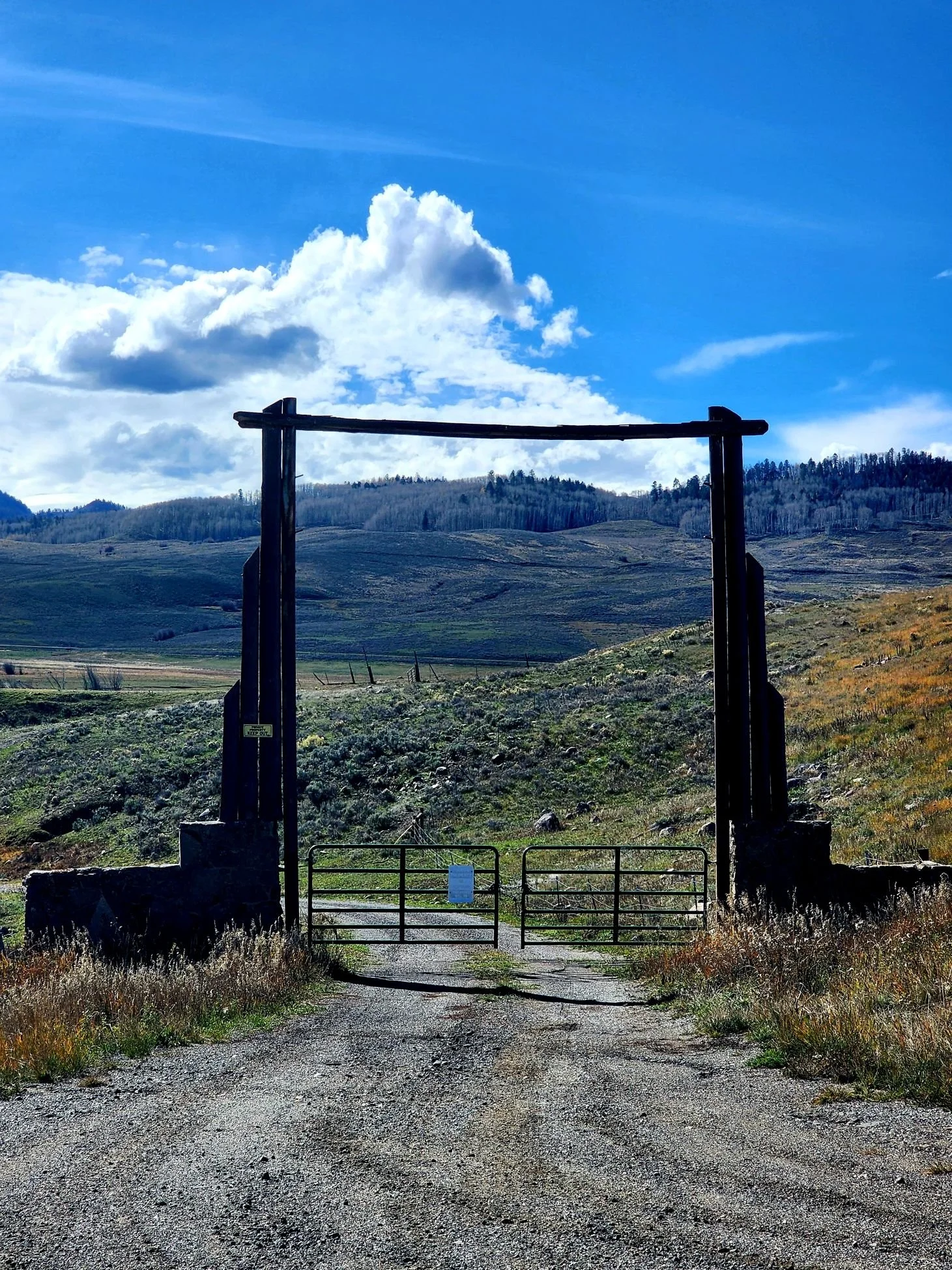
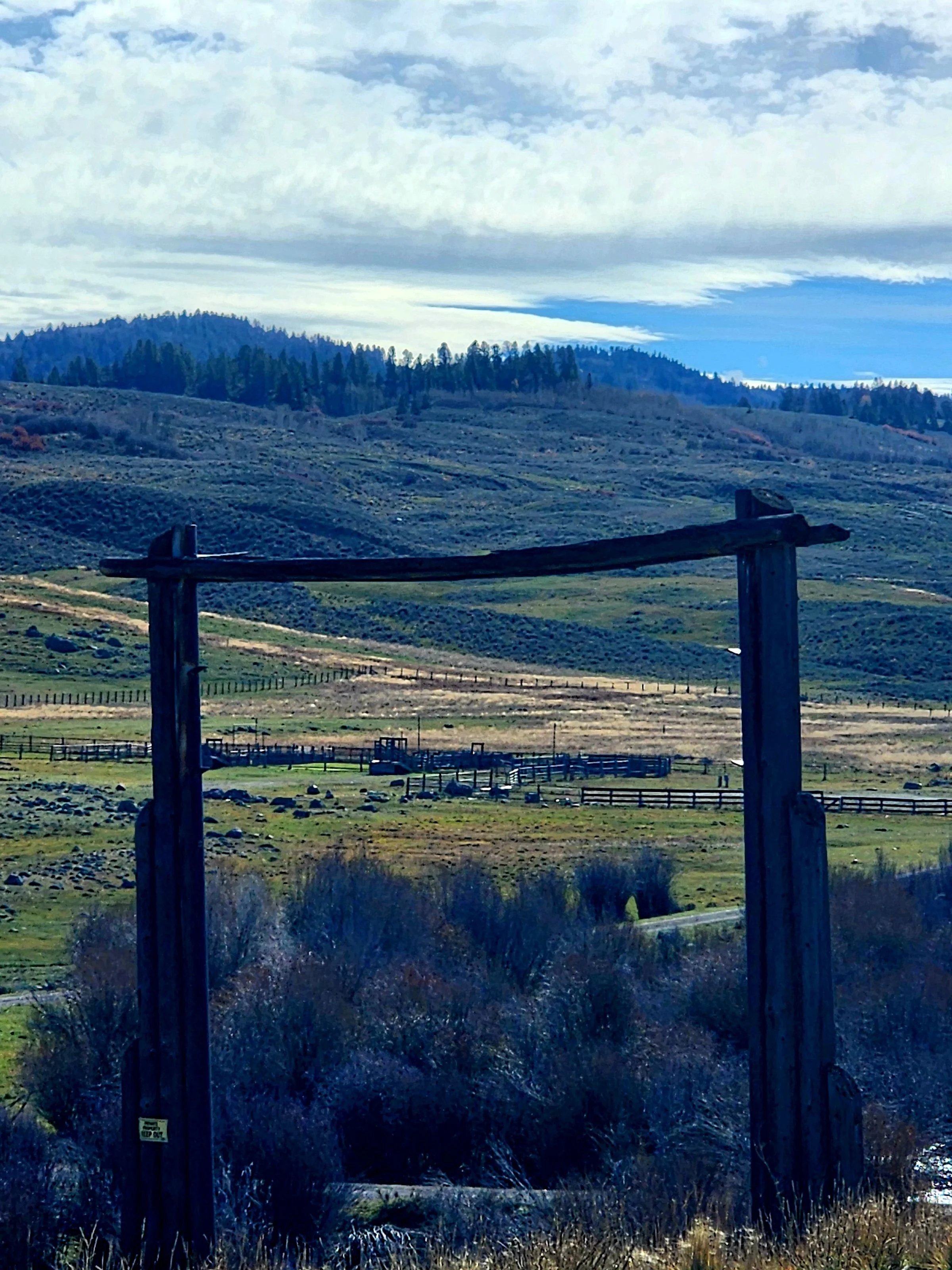
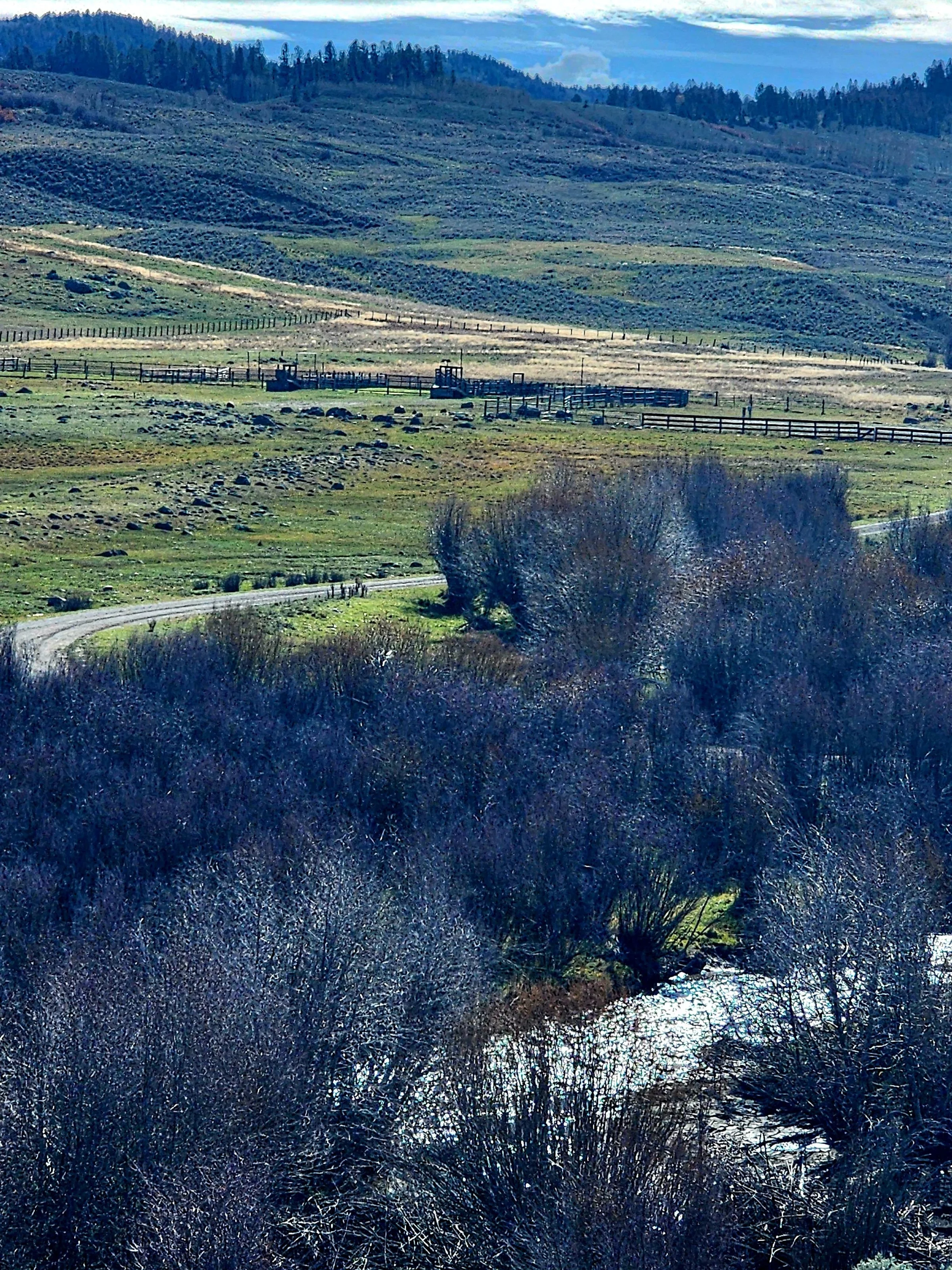
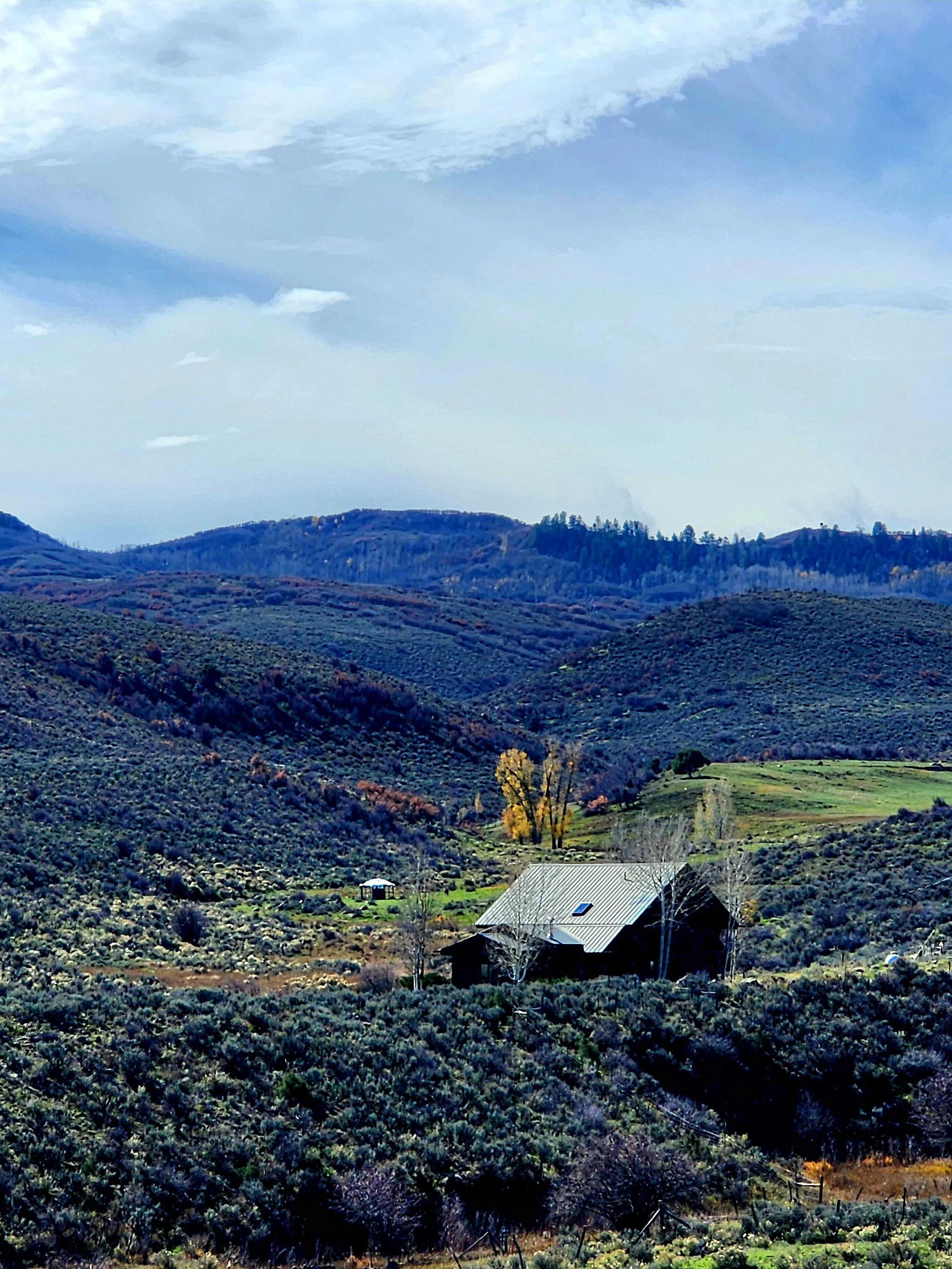
Photos: formerly known as the Howell Ranch, the lower ends of the Blue Creek (1-3) and Cerro (4) management units. 2026.
Now, the old Double Diamond lay out east of Dubois
In the land of the buffalo
And the auctioneer's gavel, it rapped and it rattled
As I watched the old Double Diamond go
Won't you listen to the wind
Mother Nature's violin
...
Now she's sellin' out, I'm movin' on
But I'm leavin' with more than I came
'Cause I've got this saddle and it ain't for sale
And I got this song to sing
I've got a new range to find, and some new knots to tie
In a country where cowboys are king
I turn my tail to the wind and the old Double Diamond
Disappeared into the sage
— “The Old Double Diamond” by Gary McMahan
I stopped by the ranch I used to manage, on the north side of the San Juans, while driving between Gunnison and Montrose. I don't pass this way often anymore, but it's always cathartic.
This is the low country at about 7000 ft elevation (in October, before the snow); the high country is up in the aspen at over 9000 ft. We didn't feed cattle through the winter here, just ran a few hundred pairs and some yearlings from the low country up to the high country and back, from May to October.
At the time, this was part of the Howell Ranch, and I'm forever grateful to Jim Howell for the chance to manage the place for a few years while he and Daniela were busy starting the Savory Institute and Grasslands, LLC.
I didn't grow up ranching, so for me this was an opportunity to learn and practice a little bit of cowboying in the Colorado Rockies.
More importantly, it was an opportunity to be part of a ranching operation that was showing what I had done my Master's thesis on: strategically planned and managed grazing can even out grazing distribution (the source of most grazing problems) and increase carrying capacity, alongside an improving trend in the land itself. We wrote up a case study of the ranch, based on grazing and range monitoring data, and published it in a special issue of the Rangelands journal on Strategic Grazing Management for Complex Adaptive Systems, sponsored by the Colorado Section of the Society for Range Management, for which I served as guest editor.
The ranch was three different parcels, or grazing management units. The parcel that was the Howells' home place is for sale, for at least the second time since I moved on and the Howell family sold it. It's a neat place, with a beautiful log home, but by itself it isn't large enough to be a profitable ranching operation. It just goes to show one of the central paradoxes of the modern West: land is getting further subdivided and fragmented, while the scale of ranching operations needs to increase to match economic and ecological realities.
Ranching will persist by adapting.
Reference
Multiple-paddock grazing distributes utilization across heterogeneous mountain landscapes
M. Barnes and J. Howell | October 2013 | Rangelands 35(5): 52-61
In: Strategic Grazing Management for Complex Creative Systems [special issue]
M. Barnes and A. Hild (editors) | October 2013 | Rangelands 35(5): 1-66
Sponsored by the Colorado Section Society for Range Management
Note
“The Old Double Diamond” by Gary McMahan is a classic of modern western music, written in 1973, about the sale of the Double Diamond, which was on the East Fork of the Wind River near Dubois, Wyoming, and part of the much larger Mill Iron Ranch. It’s guest ranches and ranchettes now; but to be fair, that started over fifty years ago. I’ve also done some work in the Dubois area, but that’s another story.