
In the Company of Wolves: An American Journey now streaming
2026/07/18 | American West
In the Company of Wolves: An American Journey now streaming
The documentary film, directed by Susan Kucera and narrated by Jeff Bridges, shows how our relationship with animals shaped a nation.
By Matt Barnes
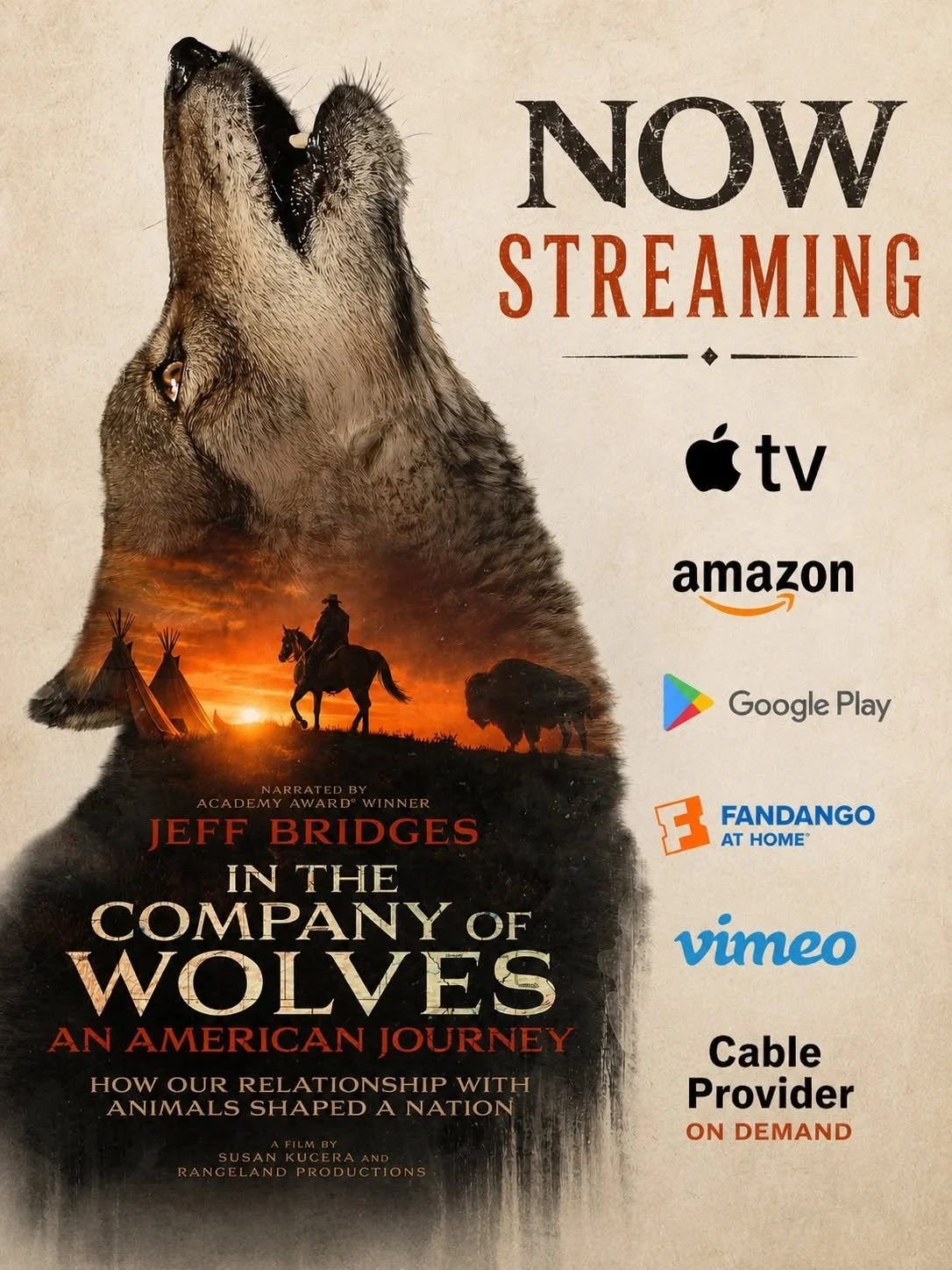
The American West is a mythos known around the world — a landscape of freedom, rugged individualism, boundless possibility, and the collision of human ambition with ecological reality.
This film explores the truth beneath it, revealing how our complicated relationship with wolves shaped our ideas, our folklore, and our sense of nationhood, altering the course of American history as profoundly as any human hand.
We don't need to choose between ranching and carnivore restoration. We can have both, but it won't always be easy. We need to keep in mind that we are reintegrating wildness into working landscapes. That’s just one aspect of the new film In the Company of Wolves: An American Journey, directed by Susan Kucera.
I’m a minor character in the film, one of a handful of people working to make ranching more resilient. I'm in the company of a ranch manager, Blake, with whom I worked to reduce livestock vulnerability to grizzly bears and wolves. We used strategic grazing management and stockmanship to change cattle behavior and improve grazing distribution, and had no confirmed livestock predation for the duration of the project. This is important because we relied on behavioral ecology, and methods from ranching and range management, rather than gadgets. Instead of adding tools, we changed the tactics. The best methods for livestock-carnivore conflict prevention are going to be more livestock-centric than carnivore-centric.
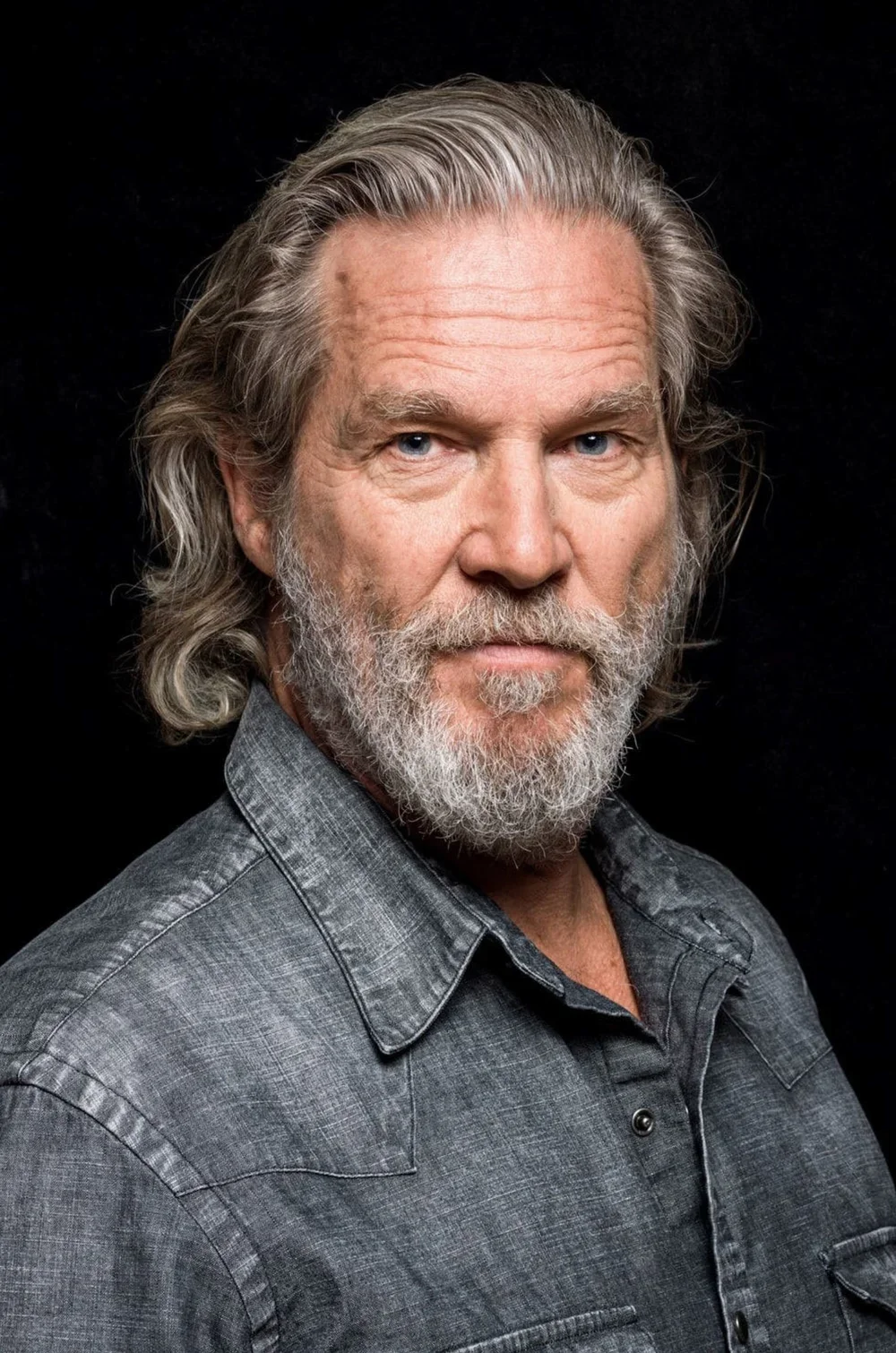
Academy Award® winner Jeff Bridges narrates this stunning journey, following wolves and other animals as co-travelers through American history — from the shores of England to the birth of the New Republic, and ultimately the colonization of the vast, contested landscapes of the modern American West.
A place where the ensemble doesn't merely walk through history; they trot, lope, stampede, and migrate across it — reminding us that the wild and the domesticated alike have always reflected a deeper story of who we are as a nation, and who we might yet become.
This film is important because it gets at the deeper issues underlying social conflict about wolves—which is to say, what wolves represent to different people.
Wolves, grizzlies, and many land issues are just the visible tip of the iceberg. When we treat these issues simply as technical problems, it’s like we’re trying to move the iceberg by pushing on the visible tip—and indeed, the result often is that it seems like we’re sinking. What we really need to do is to uncover the underlying issues. At one layer down, we find social and governance issues: who has sway over wildlife policy, and why? And how can we improve our institutions and policies, not just to be more scientific, but to be more fair and inclusive? But there’s an even deeper layer, and that is the cultural, philosophical, or mythic. We’re often unaware of how our worldviews structure our perspectives on land and wildlife.
When people argue about wolves, they are often arguing for different visions for the future of the land, particularly for this mythic land we call the West. People are arguing for different relationships to nature. And of course we don’t just relate to nature, we are nature.
Debates about wolves and grizzlies reflect competing versions of the myth of the frontier. Of course, even the word ‘frontier’ implies a Euro-American perspective. From a native perspective, it was dispossession and genocide. From a wildlife perspective, it was decimation.
For a century now, we have been building back our land and wildlife communities from the decimation of the frontier, market hunting, and widespread predator control.
I submit that the middle way is a place, here in the mountain West, where we can have wildlife restoration, ranching, and a fair chance to fill the freezer with elk or beef. That’s going to take more than stakeholder collaboration.
We are mostly unaware of how much our own mythos influences our thinking. In the Zoroastrian-Judeo-Christian-Islamic tradition, paradise is always depicted as a garden, and the Fall results in exile to the wildlands. In Genesis, we are told that humans are essentially the hired gardeners of a divine absentee landlord. This is the underlying mythos of basically all western agrarian civilization, and to this day I believe it underpins many of the ideas in land and wildlife policy, especially those from agricultural perspectives. The wild or wilderness is always the backdrop against which civilization is contrasted.
For nearly all of human history, we've defended the human against the wild. Now the task is to defend the remaining islands of wild against the human tide. This moment calls for a new cultural mythos.
As the sages of all time have said in a thousand ways, out beyond our ideas of right and wrong is a field, or perhaps a new frontier where the wild and domestic run together; we'll meet you there.
That mythic garden contained two trees. The first is the knowledge of good and evil, the pairs of opposites, including what Rumi called ideas of rightdoing and wrongdoing. The second is the tree of life, and maybe it grows in Rumi's yonder field.
If what we are living through—acting out?—now is a debate between competing myths, I think that what we need is a better myth, one that includes and transcends the best of all that has come before.



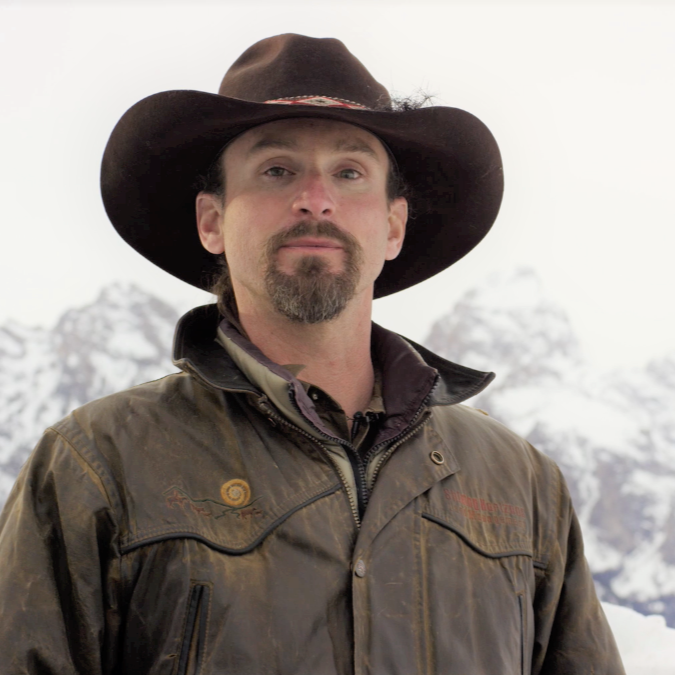
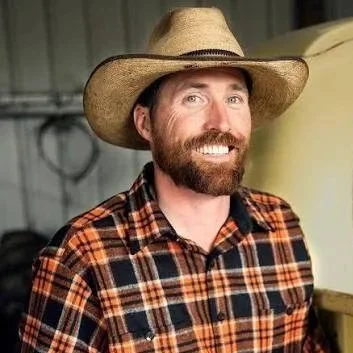
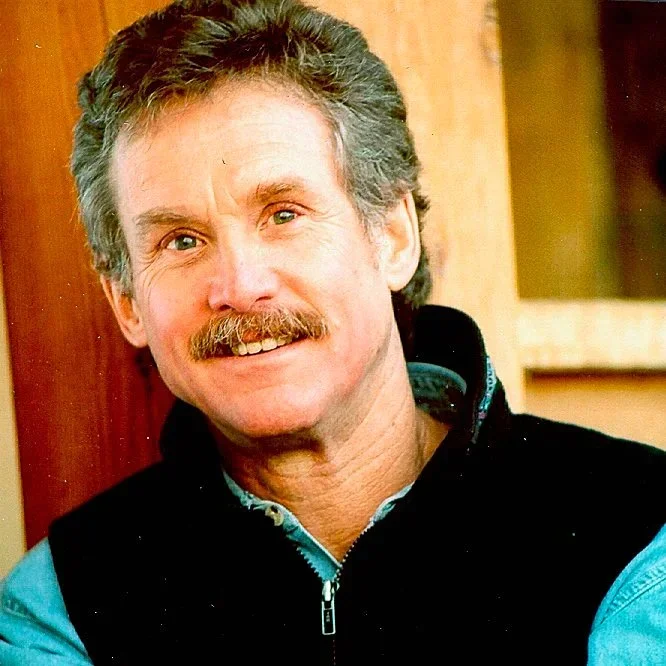
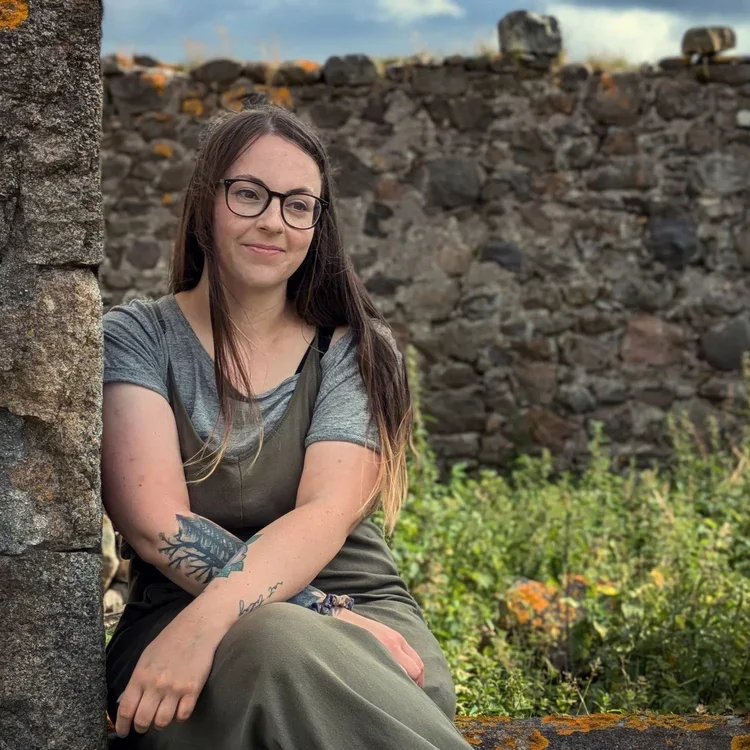



Some of the cast and experts of In the Company of Wolves: An American Journey